
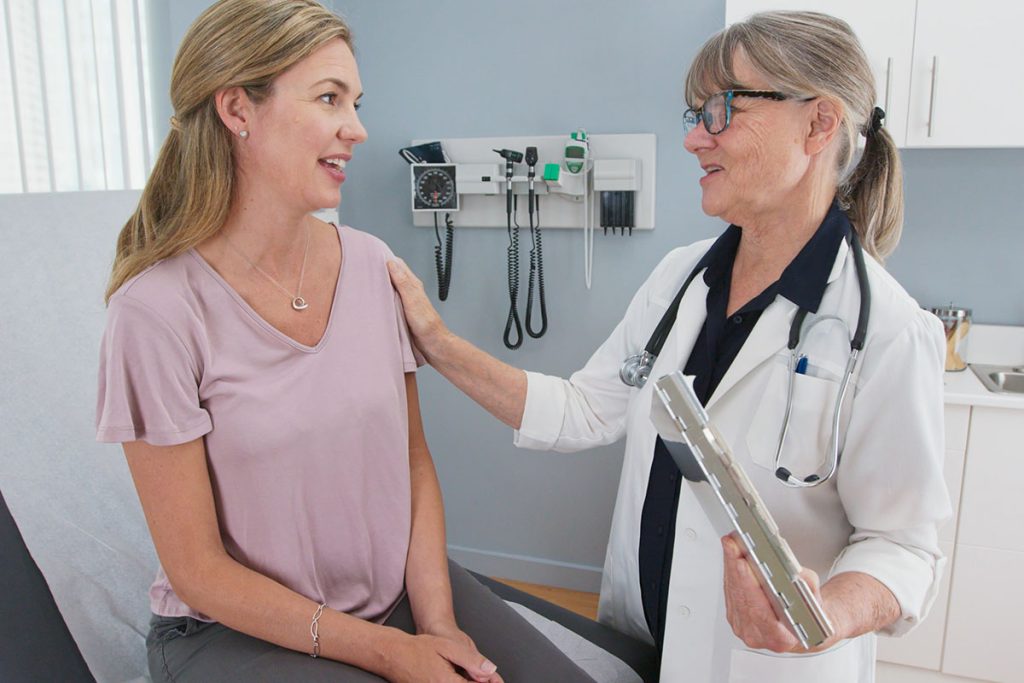
Understanding Gynecological Cancer
Gynecological cancers refer to cancers that start in a woman’s reproductive organs — including the cervix, ovaries, uterus, vagina, and vulvar tissues. Each of these cancers presents differently, but they share one critical truth: early detection saves lives. When found in the earliest stages, many gynecological cancers are highly curable, and outcomes are significantly improved.
Types of Gynecological Cancer
The five main types include:
- Cervical Cancer – Often linked to the human papillomavirus (HPV).
- Ovarian Cancer – Sometimes called the “silent killer” due to vague or unnoticed symptoms.
- Uterine (Endometrial) Cancer – The most common gynecologic cancer, typically presenting with abnormal bleeding.
- Vaginal Cancer – Rare, but more likely to be detected during pelvic exams.
- Vulvar Cancer – Also rare, affects the outer genital area and may cause itching or skin changes.
Potential Warning Signs You Shouldn’t Ignore
Recognizing symptoms early can make all the difference. Common signs may include:
- Abnormal vaginal bleeding or discharge
- Persistent pelvic pain or pressure
- Bloating or feeling full quickly (especially with ovarian cancer)
- Changes in vulvar skin (itching, color, texture, sores that don’t heal)
- Pain during intercourse
If you have any of these symptoms it’s important to consult your healthcare provider.
The Role of Regular Screenings
Routine screenings are a cornerstone of early detection:
- Pap Smears and HPV Testing – These tests can help detect precancancer cervical long before symptoms arise.
- Pelvic Exams – Can help identify abnormalities of the female
- Genetic Testing – For women at high risk of with strong family history, testing is available and can reveal genetic risk factors.
At Morales Medicine, we believe proactive women’s health care is key to preventing and detecting cancer early. We work with gynecological cancer survivors on hormone health and optimizing health.
Reducing Your Risk
While not all cancers can be prevented, you can lower your risk with these steps:
- Get vaccinated against HPV
- Schedule annual wellness visits and screenings
- Maintain a healthy weight and diet
- Avoid smoking
- Report unusual symptoms promptly
Empowerment Through Awareness
Gynecological cancers affect thousands of women each year — but awareness and early detection can turn fear into empowerment. Regular check-ups and open communication with your provider are vital steps in protecting your health and your future.